My cart
Your cart is empty.
AnzaRef. SUPER TOUGH PLAT ANZA PRO-FL1
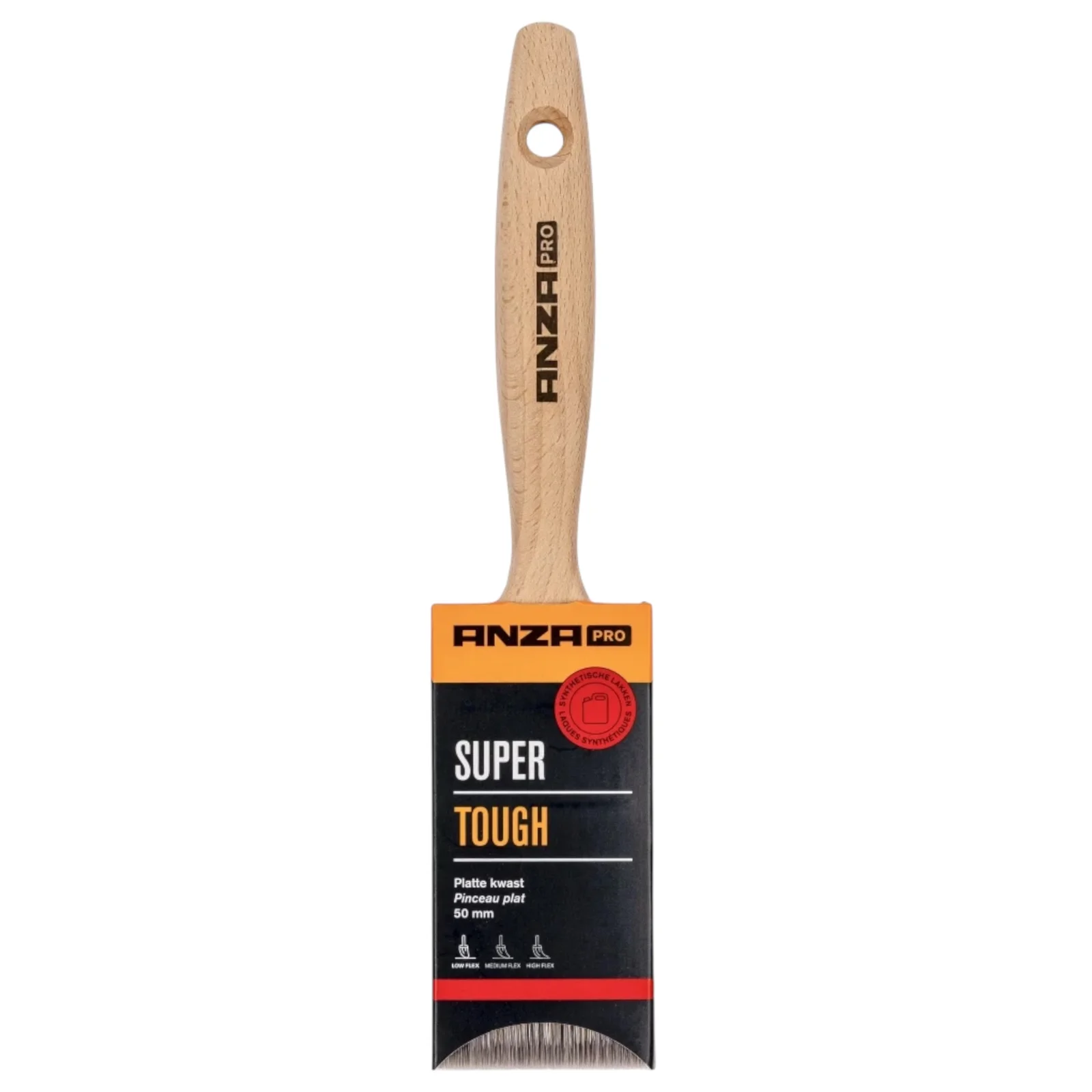
SUPER TOUGH PLAT ANZA PRO
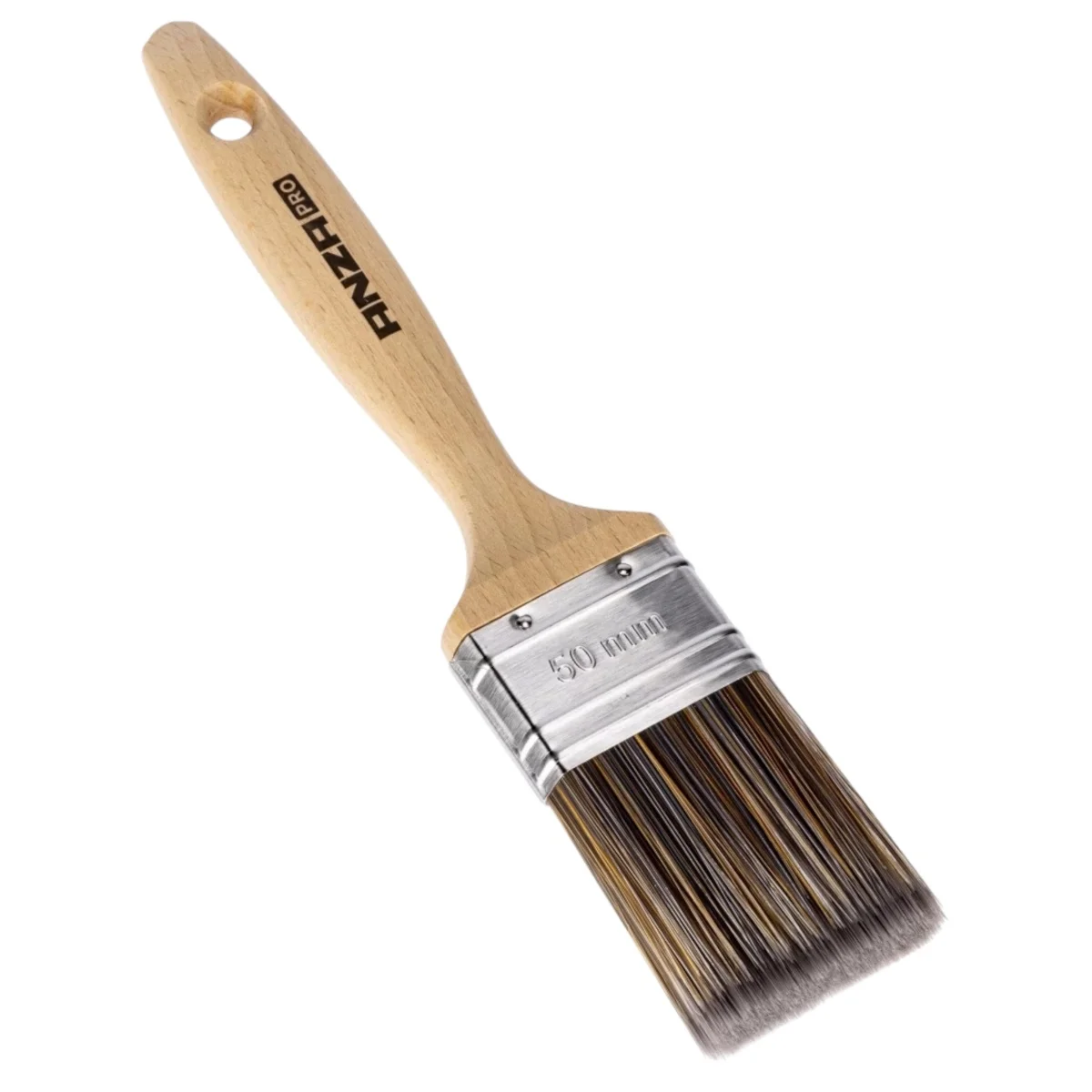
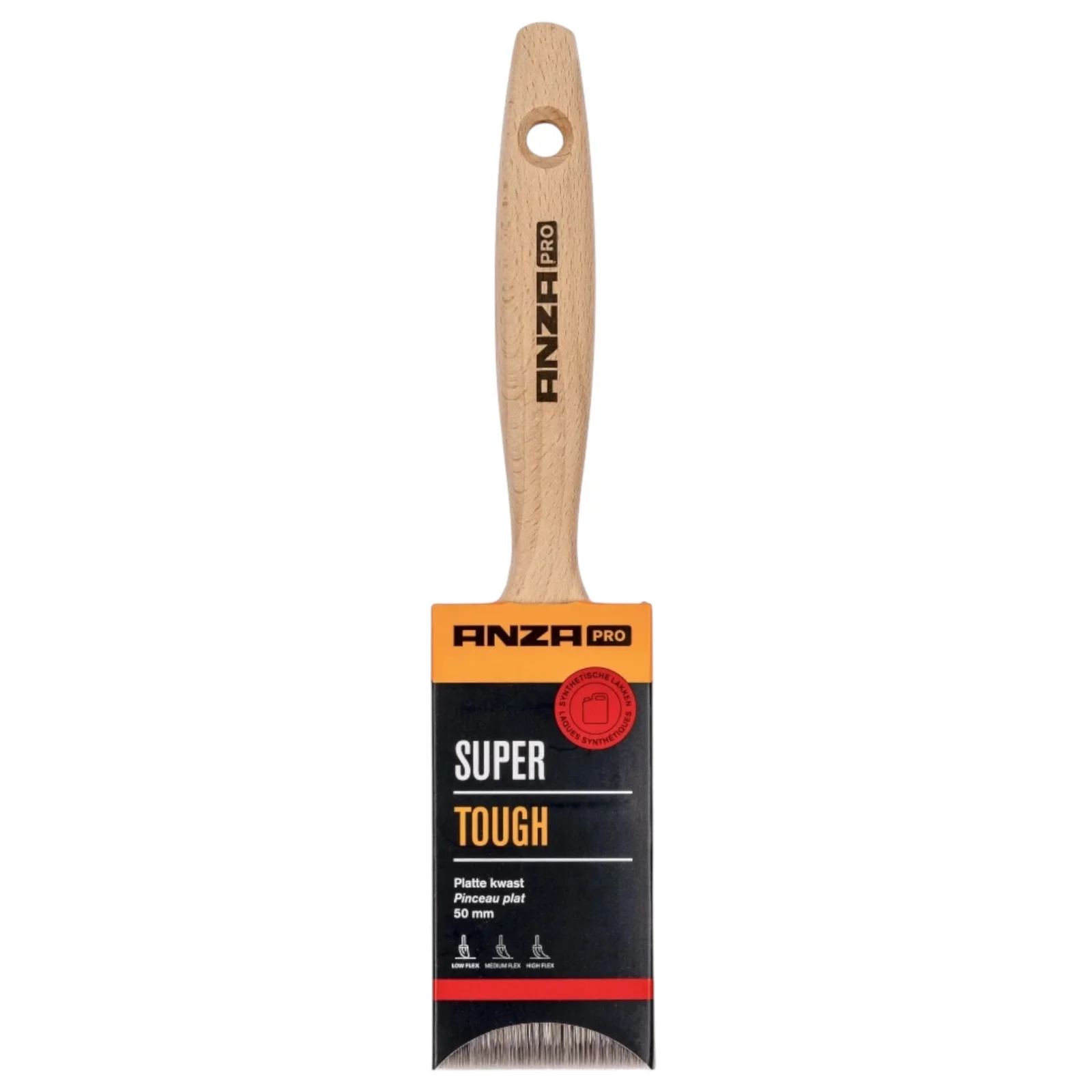
Specialist brush for thick solvent-based lacquers. Rigid synthetic fibres for maximum absorption and uniform application without drips.
In stock
7,59 €incl. VAT

SizeChoose your format
Dimension
Add to cart
Free in-store pickupRue Henri Brosteaux 82 · 5070 Sart-Saint-Laurent — ready within 24 business hours
Estimated delivery: 24-48h
Free shippingFrom €149 ex. VAT in BE · 24-48h
Best price30-day guarantee
Expert advice+32 (0) 475 48 80 24
Official distributorFlügger Belgium
SUPER TOUGH PLAT ANZA PRO
The Super Tough Plat Anza Pro brush is the technical solution to the challenges posed by thick solvent-based synthetic lacquers. Featuring reinforced fibre technology, this professional brush guarantees high absorption and uniform paint distribution for streak-free results on all surfaces.
Technical specifications
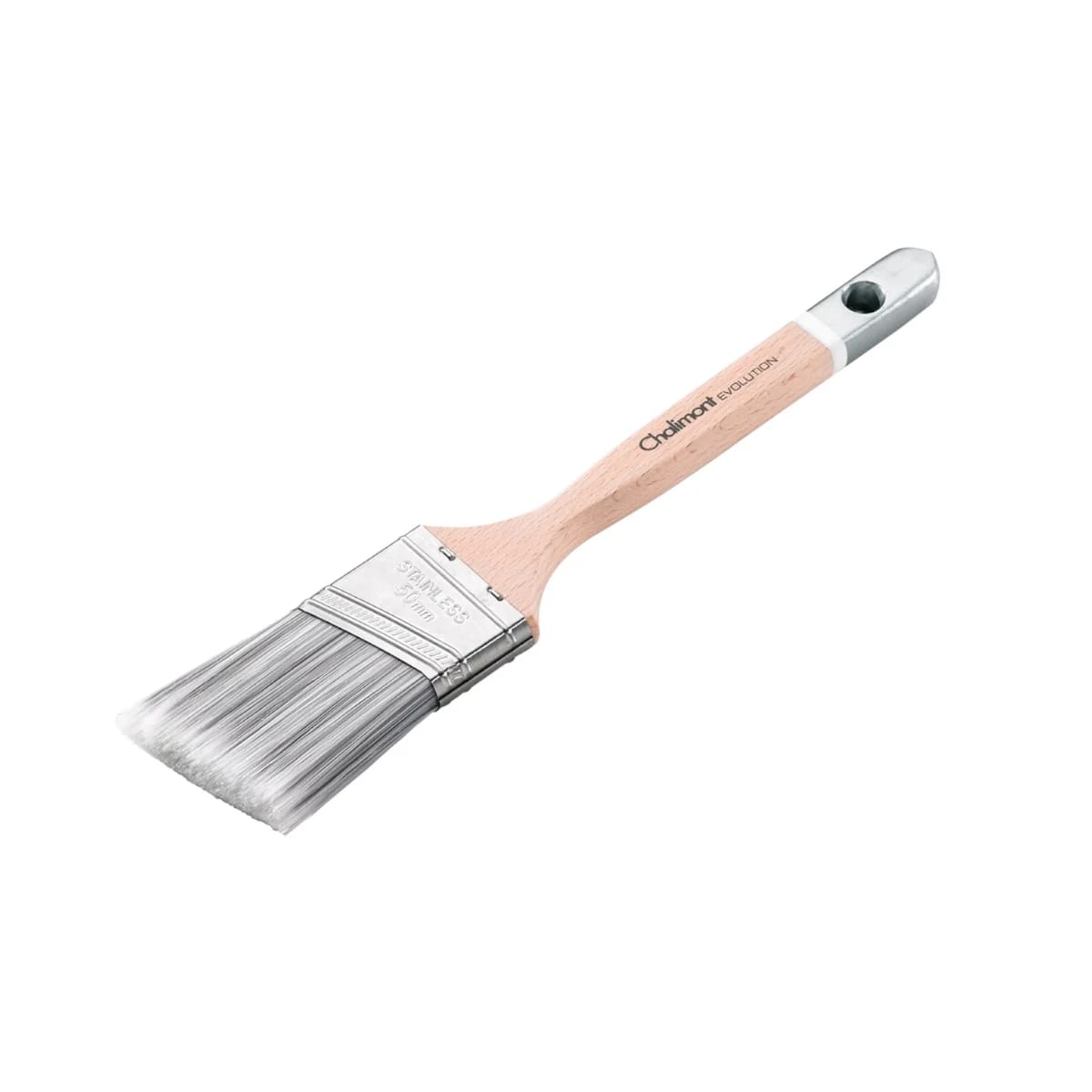
- High-quality synthetic fibre blend with reinforced rigidity, specially designed for thick synthetic lacquers
- Full stainless steel ferrule preventing water and turpentine infiltration
- Solid beech wood handle for ergonomic grip and optimal control
- High paint absorption enabling rapid application on large areas
- Uniform distribution without drips or brush marks
- Compatible with solvent-based lacquers and varnishes
- Available in four widths: 1, 1.5, 2 and 2.5 inches
Application advice
Before first use, ensure the fibres are perfectly clean. For solvent-based lacquers, work in a well-ventilated space at stable temperature. Load the brush approximately one-third along the fibre length, without excess, to maintain optimal control during application.
Apply the lacquer in regular strokes, slightly crossing to eliminate all traces. The reinforced fibre rigidity allows working with thick products without excessive effort. Between coats, clean the brush thoroughly with turpentine or white spirit.
After use, clean the brush thoroughly with the appropriate solvent until the liquid runs completely clear. Suspend for drying to preserve fibre shape and extend working life.
Technical specifications
| Brand | Anza Pro |
| Handle | Beech wood |
| Ferrule | Stainless steel |
| Brush type | Flat brush |
| Fibre type | High-quality synthetic fibres with reinforced rigidity |
| Application | Thick solvent-based lacquers, alkyd paints |
| Available formats | FL1, FL1.5, FL2, FL2.5 |
Pro tips
The Super Tough Flat is particularly appreciated by professional painters for finishing work on interior woodwork and joinery. Its short and rigid fibres enable fast application without wrist fatigue, even during intensive working days. For large surfaces, alternate with a roller and use the brush for edging and delicate areas. Pygmalion tip: on doors and frames, always start with corners and mouldings using the brush before moving to the roller on flat sections. This guarantees uniform and professional finishing, even with the most demanding lacquers.
FAQ
Can this brush be used with water-based paints?
The Super Tough Flat is specifically designed for thick solvent-based lacquers and alkyd paints. For water-based paints, opt instead for brushes from the Anza Pro range dedicated to acrylic products, whose fibres are optimised for this type of formulation.
Which width should I choose for my application?
For edging, fine mouldings and small surfaces, choose FL1 or FL1.5. The FL2 is suitable for doors, frames and medium-sized surfaces. The FL2.5 is ideal for large woodwork and extended flat surfaces. Craftspeople often have several widths available to adapt their tool to each area of the job site.
How do I extend the brush's lifespan?
Always clean the brush immediately after use with the appropriate thinner, until the liquid runs clean. Then rinse with soapy water, squeeze out gently and hang to dry. Never leave the brush resting on its fibres and store it flat or suspended once dry.
Do synthetic fibres provide as smooth a finish as natural bristles?
The high-quality synthetic fibres of the Super Tough are specifically formulated for modern solvent-based lacquers. They offer excellent absorption capacity and uniform distribution comparable to natural bristles, with the advantage of superior solvent resistance and enhanced durability.
Should I condition the brush before first use?
It is recommended to gently brush out the new brush to remove residual loose fibres. Some professionals also soak the brush for a few minutes in thinner then squeeze it out before first application, which facilitates paint penetration into the fibres.