


Erfurt
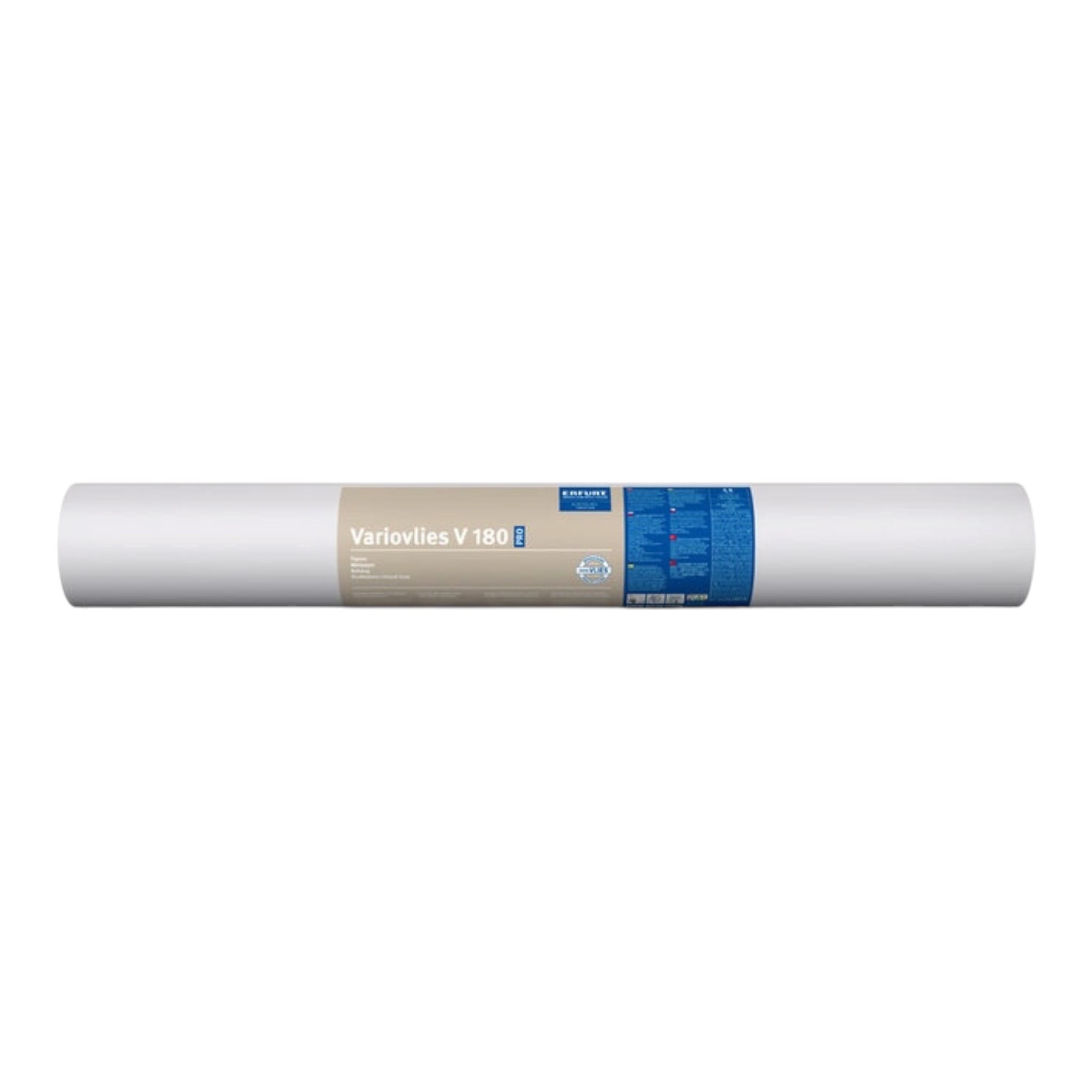
VARIOVLIES V180 EN 25 M X 1 M
Variovlies V180 non-woven lining paper for renovating or designing your walls: it masks cracks (classes A+B) and provides a stable, paint-ready support. Removes dry for easy…
118,81 €
24-48hSelf-adhesive moulding, 2.60 m, for concealing joints between wall and wallpaper. Clean finish without corner cutting, quick installation by simple pressure.

Estimated delivery: 24-48h
The 2.60 m Profilo mouldings provide an impeccable finish to your wallpaper and wall covering installations. Manufactured from anodised aluminium alloy, these decorative profiles ensure a clean transition between surfaces while concealing joints and imperfections. Their impact resistance guarantees optimal durability, even in high-traffic areas.
Prepare the surface ensuring it is clean, dry and dust-free. For decorative mouldings, apply adhesive in a wave pattern along the entire length of the profile, or in a straight line for small profiles with a reduced bonding area. This technique ensures uniform adhesive distribution.
Position the moulding firmly against the wall and immediately remove any excess adhesive that seeps out. At corners, mitre-cut the profiles to achieve a perfect joint. Fill the joints between two mouldings with suitable adhesive whilst pressing the elements together. Remove excess adhesive.
After 1 to 2 hours, check the joints and remove any excess cured adhesive if necessary. For precise cutting of aluminium, use a fine-toothed hacksaw or a mitre saw fitted with a blade for non-ferrous metals.
| Finish | Anodised |
| Length | 2.60 m |
| Material | Anodised aluminium alloy |
| Resistance | Impact resistant |
| Product code | 26560 |
The most common mistake with aluminium profiles: failing to degrease the surface before bonding. Even when anodised, aluminium may have manufacturing residues. Wipe the bonding face with a cloth dampened with isopropyl alcohol to guarantee maximum adhesion. Remember to also degrease the wall surface in the contact area.
For corners, always make your cuts at 45° with a new blade. A blunt edge crushes the metal rather than cutting it cleanly, creating burrs that prevent invisible assembly. Systematically deburr with fine abrasive paper after cutting for a professional result.
Use an adhesive such as Fix Extra or a suitable mastic-adhesive for light metals. Apply in waves along the entire length for large contact surfaces. The adhesive will also serve to fill the joints between two profiles.
Anodised aluminium provides a definitive finish that normally does not require painting. If you still wish to paint them, a special adhesion primer for metals is essential to guarantee paint durability.
Use a hacksaw with a fine-toothed blade or a mitre saw fitted with a blade for non-ferrous metals. Work with a new blade to avoid crushing the metal. Always deburr the cut systematically with fine abrasive paper.
Measure the total perimeter of your room and divide by 2.60 m (length of one profile). Add 10 to 15% for cutting waste, particularly at corners. For a room with a perimeter of 20 m, allow for a minimum of 9 profiles.
Variovlies V180 non-woven lining paper for renovating or designing your walls: it masks cracks (classes A+B) and provides a stable, paint-ready support. Removes dry for easy…
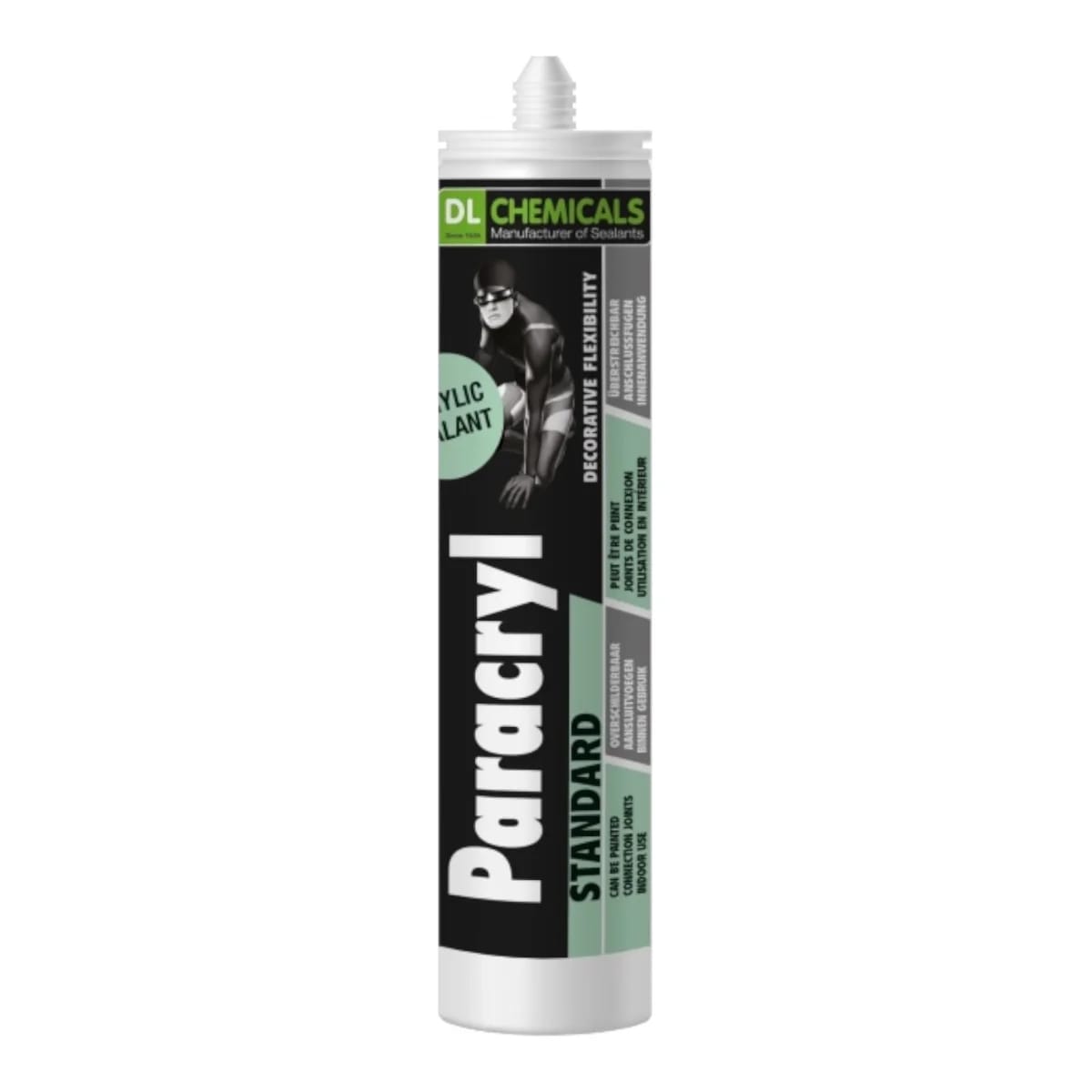
Acrylic sealant for joints around window frames, skirting boards and door frames. Paintable directly after drying, odourless and solvent-free.
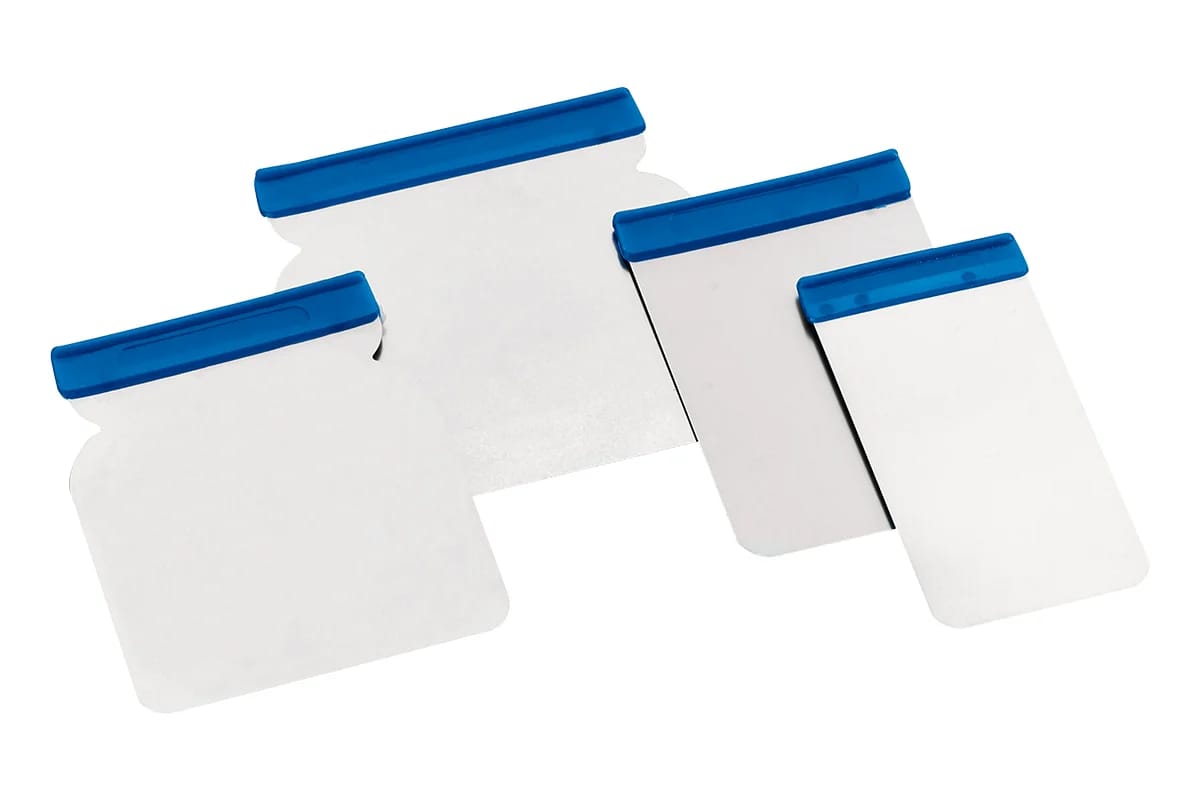
4 flexible stainless steel blades for applying decorative renders and smoothing texture effects without scratches. Rounded edges prevent marks on surfaces.
