


Pygmalion
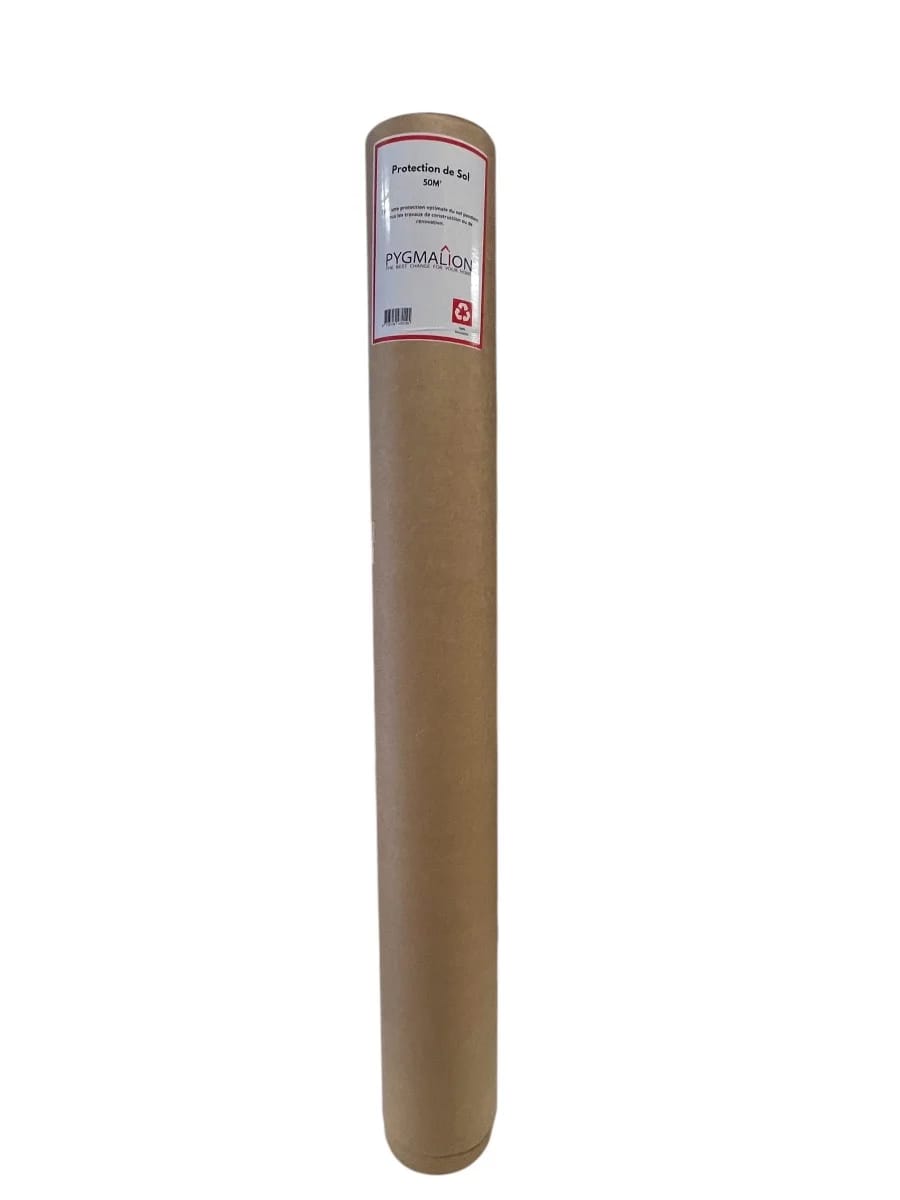
Pygmalion Protection Cardboard 50 m²
Protects your floors and surfaces against paint splashes and dust over 50 m². Resistant to foot traffic and 100% recyclable for a clean worksite.
49,99 €
24-48hRespiratory protection for sanding, demolition and dusty work. Adjustable nasal bar and textile elastics for comfortable all-day wear.

Estimated delivery: 24-48h
The FFP1 NR D mask provides effective respiratory protection during occasional work in dusty environments. Ideal for handling stone, rubble or cellulose, it filters solid and liquid non-toxic particles and aerosols, smoke and mists where concentration does not exceed 4 times the occupational exposure limit value.
Before use, pinch the nasal bar firmly onto the bridge of your nose to ensure optimal seal. Then adjust the elastic bands so the mask fits snugly to the contours of your face without uncomfortable pressure points.
This mask is intended for occasional use and is not reusable. Replace it as soon as it shows signs of wear, excessive moisture, or if breathing becomes difficult. Store masks in original packaging, protected from moisture and extreme temperatures.
The FFP1 mask is suitable for work where dust concentration does not exceed 4 times the occupational exposure limit value. For more demanding environments or toxic particles, consider an FFP2 or FFP3 mask instead.
| Use | Non-reusable (NR) |
| Straps | Synthetic rubber, latex-free |
| Weight | 8 grams |
| Standard | EN149:2001+A1:2009 |
| Nose clip | Formable aluminium |
| Dolomite test | Passed (D) |
| Filter material | Electrostatic polypropylene |
| Protection class | FFP1 NR D |
| Minimum filtration | 80% of aerosols |
| Maximum inward leakage | 22% |
For your renovation projects in Belgium, this FFP1 mask is essential budget-friendly equipment for light preparation tasks. However, always assess the type of dust generated: if you sand old paints that may contain lead or work with chemical products, a minimum FFP2 protection level is required. The successful Dolomite test guarantees that breathing resistance remains acceptable even when the mask becomes loaded with dust, improving comfort on sites with particularly dusty atmospheres.
Train your teams to check the mask's seal before each use: cover the mask with your hands and breathe out gently – no leakage should be perceptible around the edges. A poorly fitted mask loses up to 50% of its filtration efficiency. Plan several masks per day per operator, as the non-reusable nature requires frequent replacement to maintain optimal protection.
FFP1 level filters a minimum of 80% of aerosols with a maximum inward leakage of 22%. It is suitable only for non-toxic dust. FFP2 filters a minimum of 94% of particles and is required for fine dust, mould or certain chemicals. FFP3 provides maximum protection with minimum 99% filtration, mandatory for highly toxic or carcinogenic substances.
The NR marking stands for Non-Reusable: the mask is single-use and must be disposed of after use or as soon as it becomes damp or soiled. The D marking indicates that the mask has passed the Dolomite test, guaranteeing low breathing resistance even when the filter becomes loaded with dust, which improves comfort during prolonged dusty work.
This mask is designed for short-term use, typically a few hours depending on the intensity of dust exposure. Replace it as soon as it becomes damp, dirty, damaged or breathing becomes difficult. Its non-reusable nature means you must dispose of the mask after each work session, even if it still appears clean.
No, the FFP1 mask protects only against solid particles and non-toxic liquid aerosols. It does not filter gases or organic vapours such as solvents, thinners or VOCs emitted by paints. For these applications, a mask equipped with suitable activated carbon cartridges is necessary.
A beard or facial hair compromises the mask's seal and significantly reduces its protective effectiveness. For the mask to work correctly, it must make direct contact with skin all around its perimeter. If wearing a beard is incompatible with shaving, opt for respirator protection systems with assisted ventilation.
Protects your floors and surfaces against paint splashes and dust over 50 m². Resistant to foot traffic and 100% recyclable for a clean worksite.
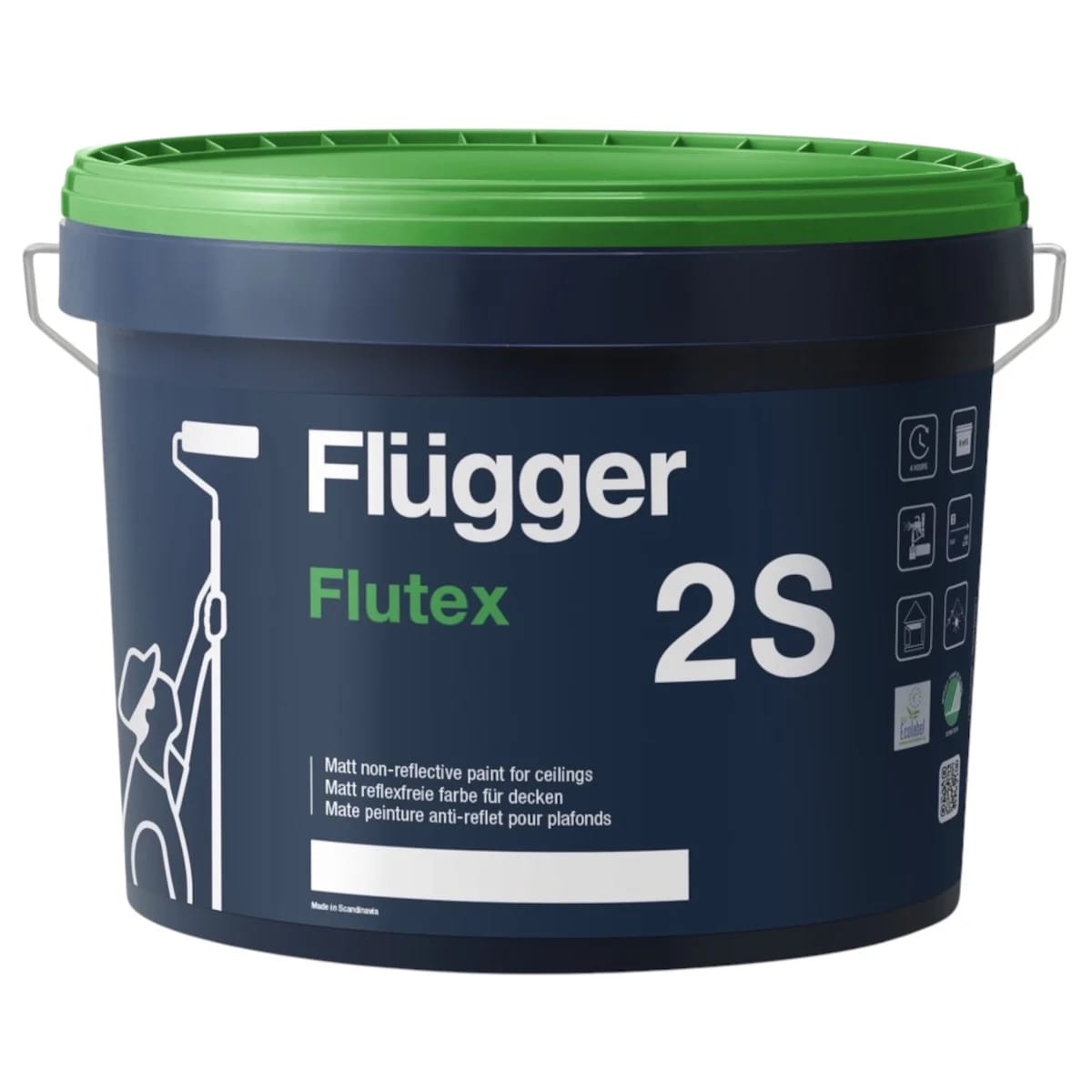
Matt interior paint for ceilings and walls: uniform non-reflective finish and optimal coverage. Easy application, long-lasting durability guaranteed.
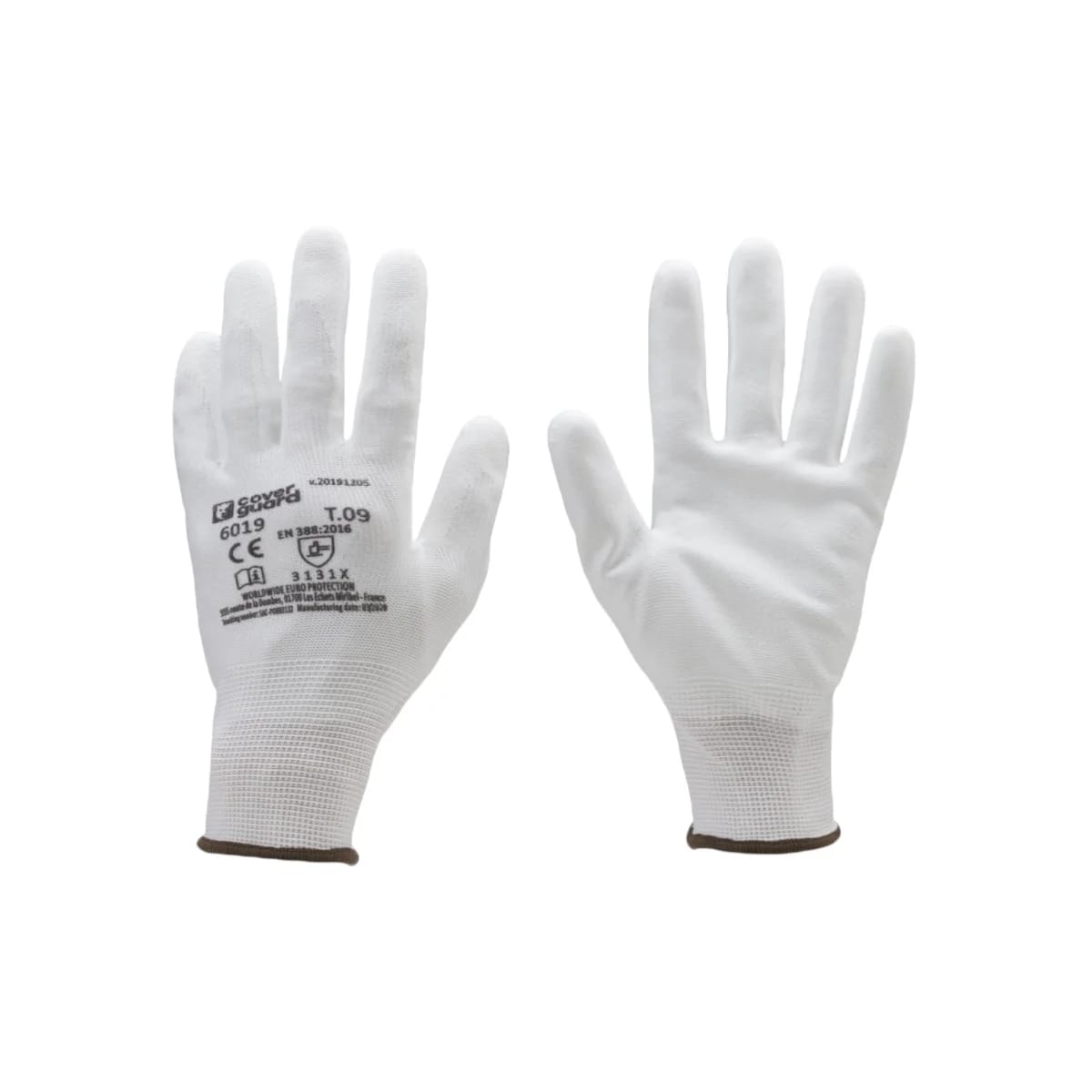
Fine polyester knit gloves with polyurethane coating: precise handling of brushes and tools without loss of dexterity, whilst protecting your hands from splashes.
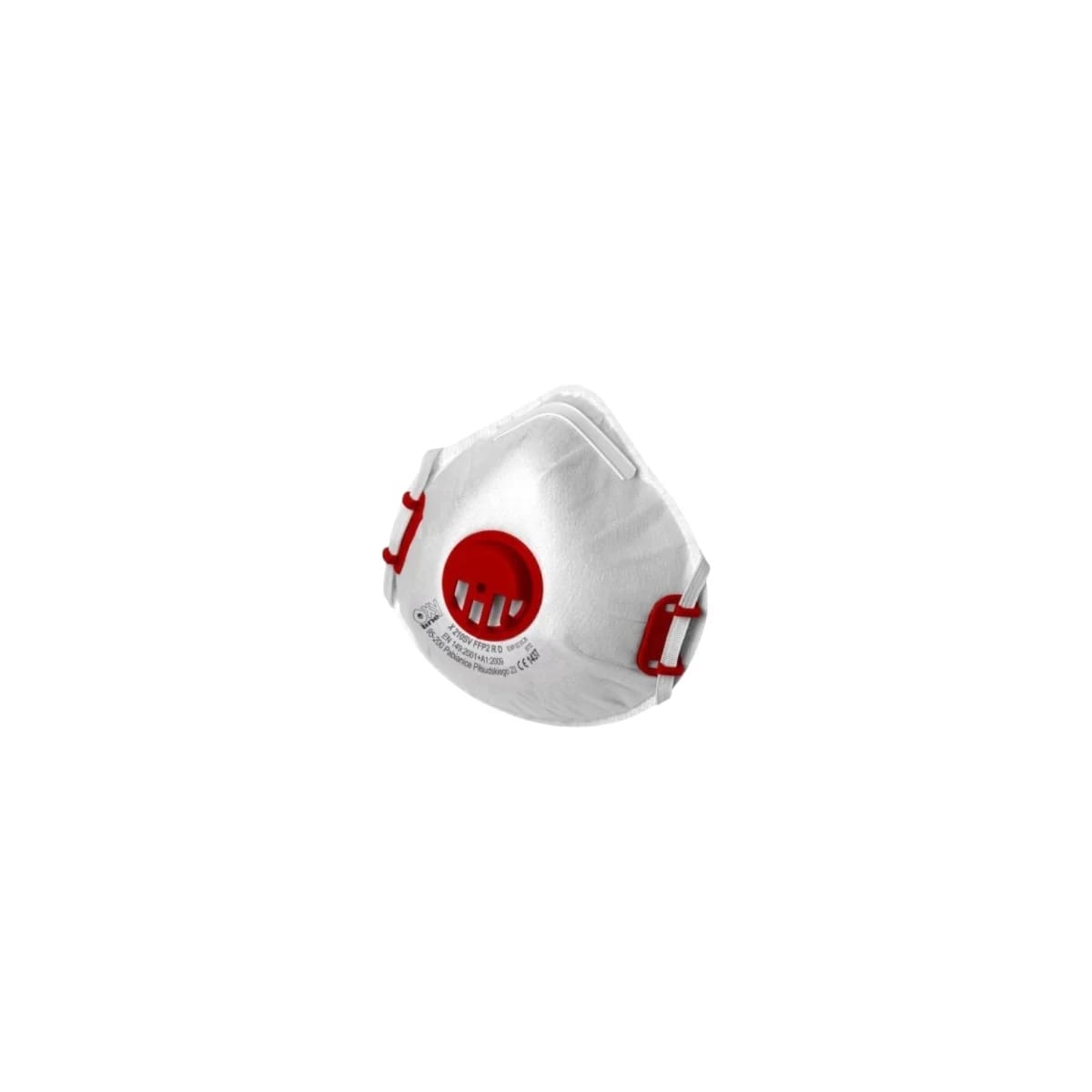
Effectively protects against sanding dust and spray mist up to 10 x OEL. Exhalation valve, adjustable nose clip and adjustable straps for all-day comfort.